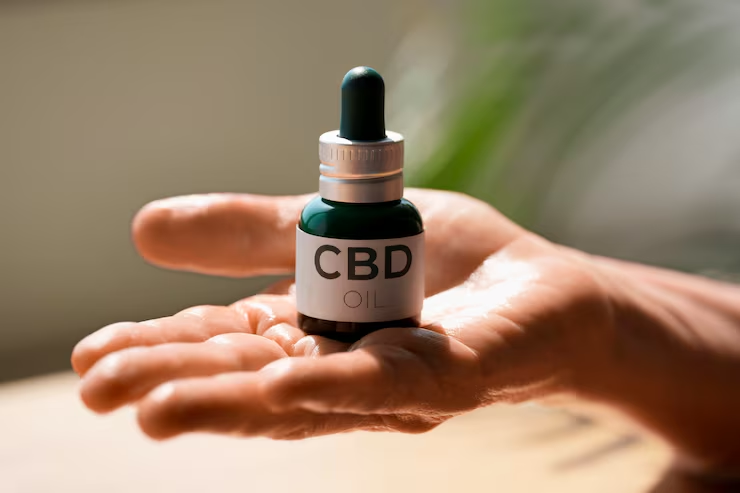
Visual inspection reveals quality before testing even begins. Color variations signal different processing methods and purity levels. Consistency changes indicate storage problems or manufacturing shortcuts. Learning to read these physical characteristics helps identify quality products versus inferior ones. Most consumers skip visual assessment entirely and miss obvious red flags. Check our website for examples of proper CBD oil appearance standards.
Color spectrum meanings
CBD oil color ranges dramatically depending on extraction methods and how much refinement happened after initial processing. Light golden or pale yellow usually means highly refined isolate products. Extensive filtering removed plant materials, chlorophyll, and other compounds during manufacturing. The result is nearly pure CBD with minimal other substances affecting appearance. Medium amber or honey-colored oils indicate moderate refinement levels:
- Full spectrum products typically show this coloring naturally
- Broad spectrum oils fall into this range consistently
- Terpenes and flavonoids contribute amber tones
- Minor cannabinoids add depth to the color
- More plant compounds remained compared to the isolate versions
Dark brown or greenish oils signal minimal processing after extraction. Heavy chlorophyll content produces greenish tints that some manufacturers leave intentionally. Excessive plant material creates muddy brown appearances that look unrefined. Colour darkness doesn’t automatically equal higher quality, despite claims from some producers. Poor extraction techniques also create dark oils filled with contaminants rather than beneficial compounds.
Consistency variations explained
Room temperature consistency tells you about manufacturing quality immediately. Proper CBD oil flows smoothly when bottles tip, but shouldn’t pour like water. Think of olive oil viscosity as the ideal target range. Overly thin consistency suggests several possible problems:
- Excessive carrier oil relative to actual CBD content
- Added fillers diluting the product beyond label claims
- Low-quality extraction leaving minimal cannabinoids
- Fraudulent products with barely any CBD present
Extremely thick consistency creates different concerns. Oil that barely moves at room temperature might have oxidized from poor storage. Some manufacturers add thickening agents to suggest a higher concentration. Coconut-derived MCT carrier oil solidifies when refrigerated but should flow normally at room temperature. Hemp seed oil stays liquid across a wider temperature range.
Clarity vs Cloudiness
Clear transparent oil indicates that thorough filtering happened during production. You should see through the bottle easily when holding it to the light. Some haziness is acceptable in full-spectrum products where plant compounds create slight opacity.
Cloudy or murky oil raises quality questions:
- Contamination from improper manufacturing conditions
- Bacterial or mold growth in poorly sealed bottles
- Separation of carrier oils from CBD compounds
- Oxidation from extended light or heat exposure
- Particulate matter that should have been filtered out
Sediment settling at the bottle bottoms definitely signals problems. Properly manufactured CBD oil stays homogeneous without settling. Particles indicate either contamination or incomplete mixing during production.
Smell assessment value
Fresh CBD oil has mild earthy or nutty aromas, depending on the carrier used. MCT carrier smells nearly neutral. Hemp seed oil brings stronger nutty scents. Olive oil adds its characteristic aroma. Rancid or sour smells indicate oxidation has happened:
- Carrier oils went bad from age or poor storage
- Exposure to heat accelerated degradation
- Bottle seals failed, allowing air contamination
- Manufacturing used old or compromised ingredients
Chemical or solvent smells suggest residual processing chemicals remained. Proper manufacturing removes these completely. Their presence indicates quality control failures during production. Learning to read these indicators helps identify premium products worth purchasing versus questionable ones best avoided.