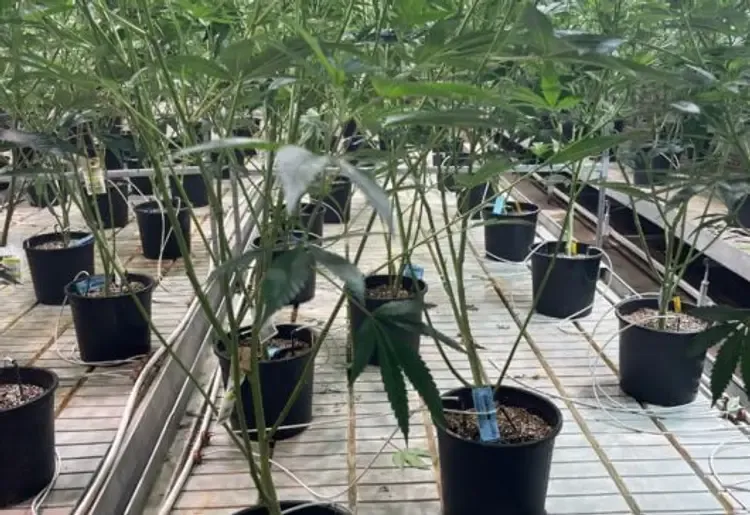
A personal cultivation project often begins with excitement about strain names and plant appearance, but the strongest start comes from evaluating the supplier and growing environment together. A reliable Marijuana Nursery should provide healthy, rooted plants, accurate information, practical policies, and responsible guidance. The buyer should prepare the space and understand the daily care involved before ordering.
Check the Legal Position First
Cannabis cultivation rules vary by state and locality. Age limits, plant counts, medical requirements, visibility, security, delivery restrictions, and property agreements may all apply. Buyers should consult current official sources rather than relying only on general statements from a seller.
Renters should review their lease, and homeowners in managed communities may need to check association rules. Commercial activity may involve an entirely different regulatory framework. A responsible personal project begins with legal and property compliance.
Confirm What the Nursery Is Selling
A rooted clone, a teen plant, an unrooted cutting, and a seed are different products. The listing should explain the development stage, approximate size, container type, and expected condition at fulfillment. Without this information, the buyer cannot prepare the correct space or estimate the transition period.
Photographs should be treated as representative examples. Living plants naturally vary, but the nursery should define a reasonable size and health standard.
Review Genetic Information
Clones are often chosen because of their genetic connection to a mother plant. The seller should maintain clear labels and explain whether the cutting came from verified female stock. Useful descriptions include general structure, flowering time, and broad suitability for indoor or outdoor conditions.
The nursery should avoid guaranteed claims about exact height, yield, timing, aroma, or effects. Environment and care influence the result, even when genetics are reliable. Clear records are more useful than exaggerated promotional language.
Look for Strong Root and Health Standards
Healthy foliage matters, but root development is equally important. A clone should be stable in its container and show signs of active growth. Ask how plants are inspected for weak rooting, damaged stems, pests, webbing, severe discoloration, or unusual spotting.
No nursery can remove every biological risk, but routine screening and transparent procedures are positive signs. Plants that are not ready should remain at the facility rather than being shipped prematurely.
Match the Plant to the Available Space
The phrase homegrown weed may create an image of a simple plant in a spare corner, but a lawful personal garden still requires measured space, lighting clearance, ventilation, drainage, and access. A young clone can grow far beyond its delivery size.
Choose genetics that suit the room. A vigorous plant may be difficult in a low tent, while a more compact variety may be easier to manage. Leave enough space to inspect every side, maintain airflow, and reach containers without repeatedly moving the entire setup.
Prepare the Environment Before Ordering
Lighting, fans, timers, meters, and drainage should be installed and tested before delivery. Check temperature and humidity during both light and dark periods. This allows the grower to correct heat, dryness, or stagnant airflow without exposing a living plant to the testing process.
Electrical safety is essential. Water should remain away from outlets and connections, cables should be secured, and equipment should be used according to manufacturer instructions.
Plan for Secure Transport and Receiving
Containers need to remain upright, stems should be protected, and foliage should not be crushed. Buyers should be available to receive the order promptly. Plants should not remain on a porch, in direct sun, or in a parked vehicle.
A clean receiving area allows the grower to unpack, photograph, and inspect the plant before placing it near established ones. Keep the label attached and document any serious concern immediately.
Acclimate Gradually
Nursery conditions may be milder than the final growing environment. A sudden move into intense light, low humidity, strong airflow, or heavy feeding can cause stress. Introduce changes gradually and observe leaf posture, moisture use, and new growth.
Do not respond to every small change with a new product. Stable conditions are often more useful during the first days than repeated corrections. Changing one major factor at a time makes the plant’s response easier to understand.
Water by Observation
The container may arrive moist or dry depending on transit time and plant size. Check below the surface and consider the weight of the container. Constant saturation can reduce oxygen around roots, while severe drying can slow recovery.
A fixed watering calendar is less reliable than observing the medium. Notes about watering, container weight, and plant response can reveal the pattern that suits the room.
Review Support and Policies
A professional nursery should provide clear availability, fulfillment timing, arrival guidance, and contact options. The reporting window for damage or shortages should be easy to understand. Buyers should know what photographs or documents are needed and what remedies may apply.
Responsive support is helpful, but it should not replace the grower’s responsibility to monitor the plant. Honest guidance is more valuable than a promise of effortless success.
Keep Expectations Realistic
Clones remove the germination stage and may reduce uncertainty about plant sex, but they still require daily attention. The grower needs time to observe moisture, light response, pests, environmental stability, and root development.
A personal garden should remain within the grower’s ability to care for it. Fewer well-managed plants may be more successful than filling the maximum legal limit or available floor area.
Evaluate Educational Quality
Helpful nursery content explains watering, acclimation, lighting, plant inspection, and common warning signs without presenting cultivation as effortless. Buyers should be cautious when guidance is built mainly around product promotion or guaranteed results.
Clear limitations and practical troubleshooting show respect for the customer and the living plant.
Final Thoughts
Choosing a nursery is part of choosing the plant. Genetic accuracy, root health, transparent listings, secure handling, educational quality, and clear policies all influence the purchase. The buyer must combine those standards with a lawful, safe, and prepared environment.
A responsible personal grow begins before delivery. Measure the space, test equipment, plan receiving, and keep the early routine simple. When the supplier and grower both manage their responsibilities carefully, the plant has a more stable transition and the project becomes easier to maintain.